A Cultural Itinerary Linking Bulgaria and Cappadocia
Bulgaria and Cappadocia reward a traveler who reads landscapes as carefully as monuments. One itinerary can place the two regions in conversation without pretending that they are next door or culturally identical. Bulgaria’s monasteries and historic towns tell stories shaped by the Balkans. Cappadocia’s valleys and rock-hewn spaces reflect a different mix of geology and human adaptation. The contrast is the subject of the journey.
Begin with the landscape
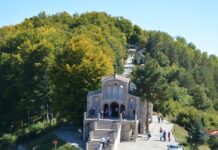
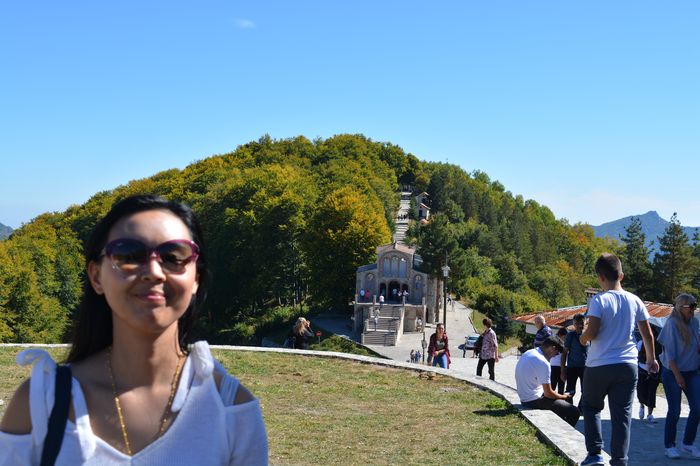
In Bulgaria, a cultural route might move between an old town, a mountain setting, and a monastery. Plovdiv offers layers of urban history; Koprivshtitsa is known for historic houses and craft traditions; Rila Monastery stands in a dramatic mountain landscape. Each stop asks for a different kind of attention. In one place, look at how streets and buildings have been reused. In another, notice how architecture fits the terrain.
Cappadocia shifts the frame from town streets to volcanic forms. Erosion shaped the region’s ridges and pinnacles, while people carved dwellings, sanctuaries, and underground spaces into the rock. The result is not simply a collection of unusual shapes. It is evidence of how communities adapted to the materials and conditions around them. Visitors can consider that relationship while exploring the region’s cultural sites.
Look for patterns rather than similarities
A thoughtful Bulgaria and Cappadocia cultural itinerary should not search for one shared style. Instead, compare the questions each landscape raises. How did people build with the materials available? What parts of a sacred place are visible to visitors, and what remains private or active? How does a historic center continue to serve the people who live there?
Those questions make the travel meaningful without flattening regional differences. Bulgaria’s historic towns and monasteries have their own religious and architectural contexts. Cappadocia’s rock-cut spaces tell another story about settlement, worship, and shelter. Give each place its own space in the schedule. Travelers considering a guided format in Bulgaria can explore Bulgaria Private Tours as a starting point for shaping that portion of the journey.
Plan the connection with care
These are separate regions and the transition between them deserves real travel time. Avoid treating the itinerary as a quick hop from one landmark to another. Decide how much time belongs to Bulgaria and how much to central Anatolia, then arrange the movement between them around current transport options. Confirm schedules and access information close to departure, particularly for sites with conservation rules.
If you are shaping a trip around particular dates or a mix of interests, use Contact Us while the plan is still flexible. Share which part of history interests you most, whether you want more walking or museum time, and how long you want to spend in each region. Clear priorities help keep the route coherent.
Add Istanbul as its own chapter
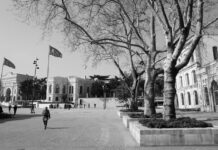
Some travelers also include Istanbul because it links many histories across Europe and Anatolia. Treat the city as a separate chapter, not just a transfer point. An Istanbul-focused visit with Ensar Istanbul Tour Guide can give that part of the trip its own context, leaving Bulgaria and Cappadocia free to stand on their own.
For a concise overview of this pairing, see A Cultural Itinerary Linking Bulgaria and Cappadocia. The most memorable route may be the one that lets two distinct places answer different questions about landscape, belief, and daily life.